When a lock turns but does not secure
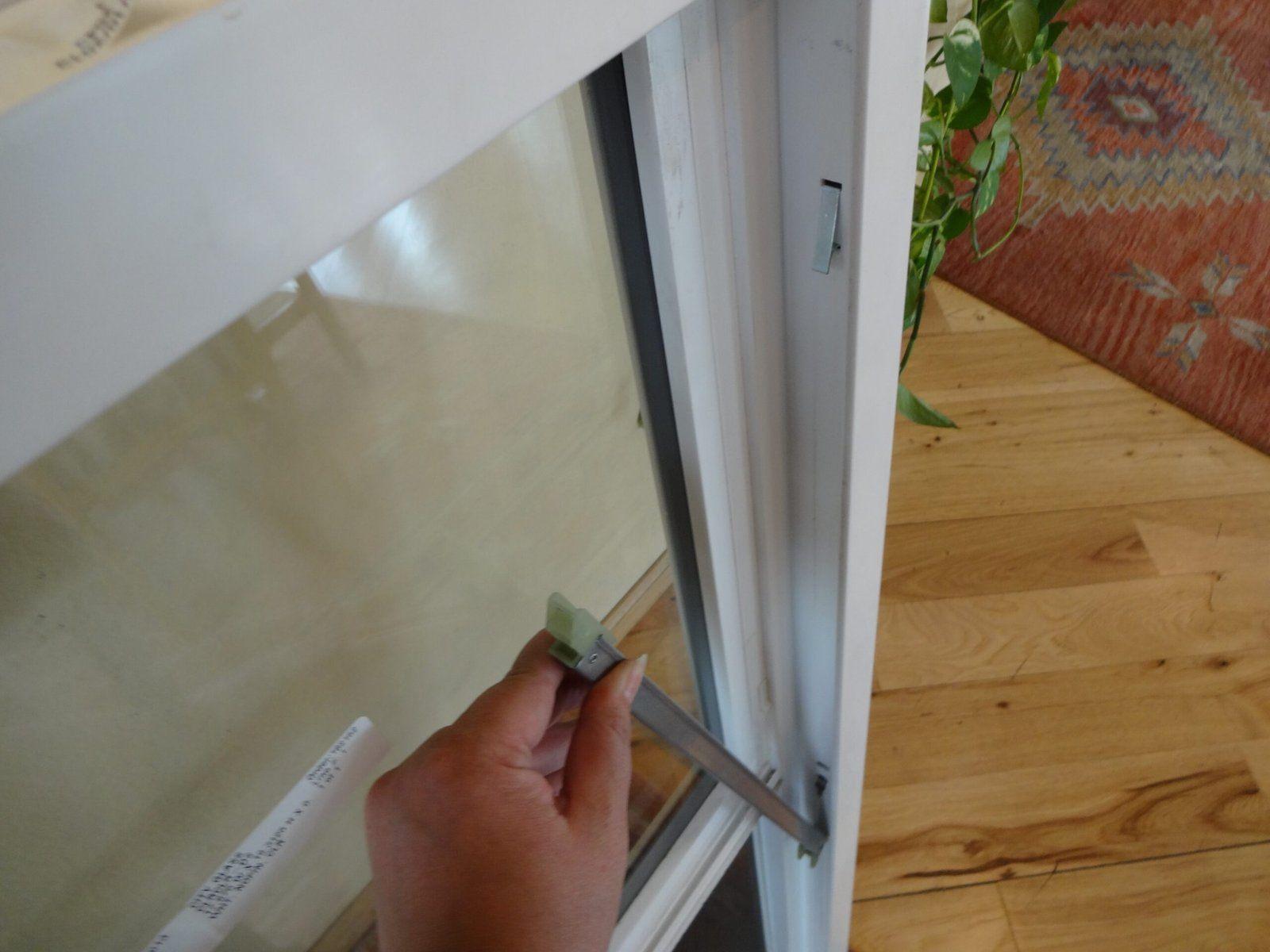
A moving handle does not necessarily mean the locking points engage. We examine locks, keepers, fasteners, and related hardware for wear or misalignment. The sash must reach its proper closing position before the lock can do its job.
Heavy, dropping, or stuck windows
Balances and springs support vertically moving sashes, while guides keep their travel aligned. A failed support can make a window heavy; an obstruction or damaged guide may make it stick. Stop forcing a sash that jams or drops unexpectedly and leave its support mechanism to inspection.
Impact hardware and frame limitations
Replacement parts must suit the existing impact-window system rather than simply resemble the originals. We check the frame and attachment areas for corrosion, looseness, or deformation that could undermine a hardware repair. Findings outside the component scope are explained separately.
Plan access, then diagnose operation
The window location and building arrangements help define a workable visit.
Share the opening location
Identify the floor, room, window style, and any restrictions on its use.
Review the operating fault
We check the handle, sash travel, and closing points where access permits.
Identify compatible components
Product details and the condition of the frame guide the proposed hardware or balance work.
Confirm the affected function
Completed work is followed by checks of the relevant movement and locking mechanism.
Working around Sunny Isles Beach building access
For a high-rise appointment, ask management about contractor entry and service-elevator arrangements. Do not lean outside for photographs or remove window restrictors to demonstrate a problem.
Window Repair questions
Should I remove a restrictor if the window will not open far?
No. A restrictor may intentionally limit opening. Tell us what movement you expect and what happens instead so the mechanism can be identified without removing a safety feature.
What information helps with a loose window handle?
A photo from inside showing the handle and surrounding hardware, along with any safely visible label, is useful. There is no need to dismantle the handle before the visit.