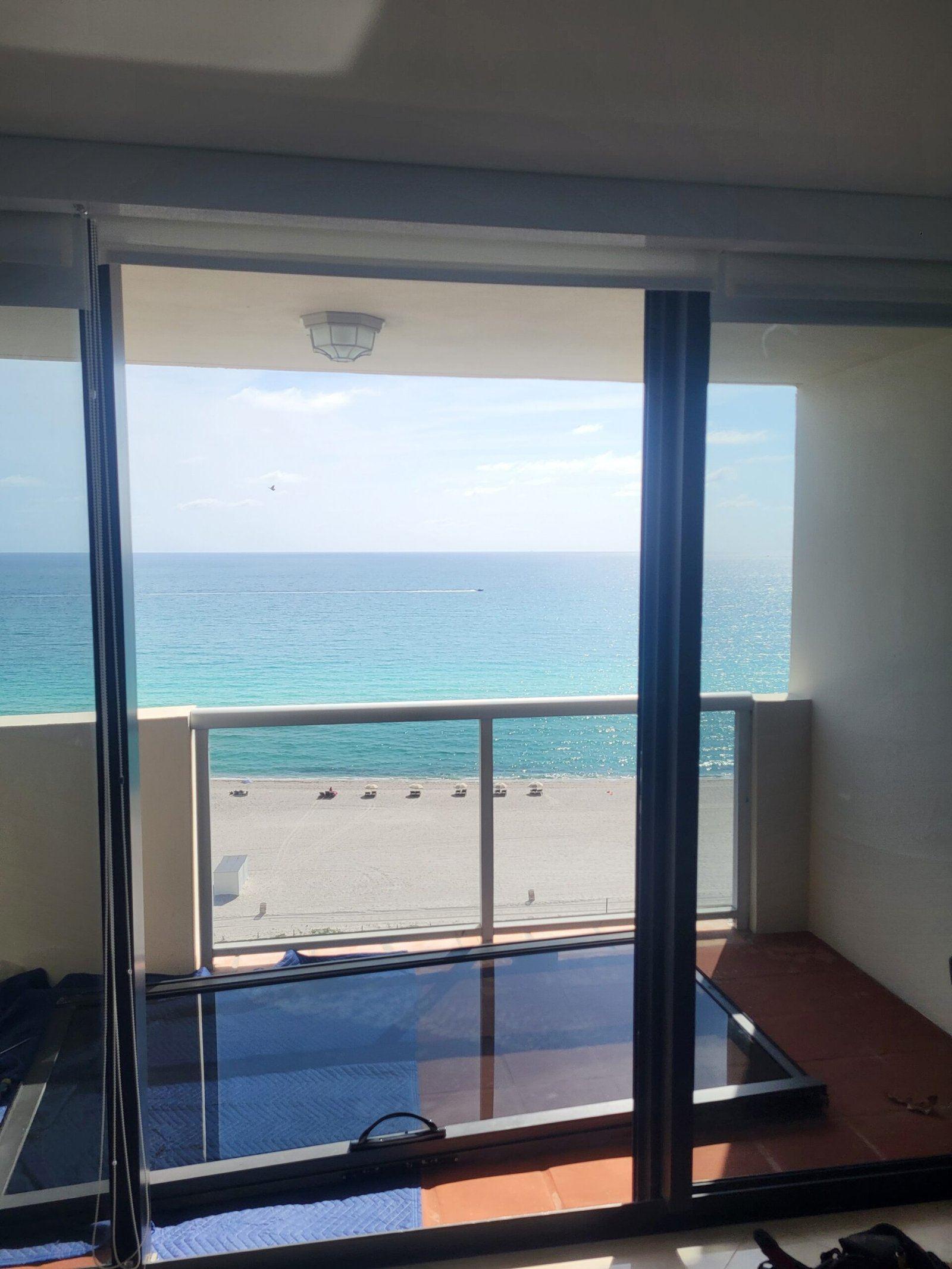
A replacement for broken or cracked panes
A damaged pane needs its glass type and dimensions established before replacement. Stay away from loose fragments and do not press against a crack to test it. We review the glazing arrangement and accessible product information rather than assuming every clear pane uses the same glass.
When the view stays cloudy
Surface condensation can change with temperature and humidity. Moisture between the panes of an insulated unit points to a different problem that exterior cleaning will not remove. If the unit has failed and the surrounding sash is suitable, a sealed-unit replacement may be possible without replacing the whole window.
Appearance and system compatibility
Tint, coatings, thickness, and glass construction affect the replacement choice. For impact windows, the pane must be appropriate for the specific assembly. We also examine frame damage and glazing supports, since new glass will not correct a distorted or deteriorated opening.
Establish the glass before ordering
Measurements and product details narrow the replacement options.
Locate the damage
Describe a crack, missing glass, or haze and which room and floor are affected.
Inspect the glazing
We assess the pane arrangement, glazing retention, and surrounding sash.
Review the proposed unit
Glass construction and visible finish are considered alongside compatibility and availability.
Check the completed fit
After replacement, the installed glazing and any affected window operation are reviewed.
Matching glass on a Miami Beach property
If the window is part of a shared facade, ask management about glass appearance requirements before choosing a tint. Photographs from indoors can help explain the problem, but final sizing and specification need an assessment.
Window Glass Repair questions
Can new glass look different from adjacent windows?
Yes. Tint, coatings, age, and lighting can affect appearance. Share any original product information and building requirements so matching options can be discussed.
Does fog on the room side mean the sealed unit has failed?
Not by itself. Room-side moisture can be condensation on the surface. The inspection needs to distinguish that from moisture trapped between panes.